

A legal dispute can emerge without warning and may affect a person’s property, finances, relationships, reputation or business interests long after a court hearing has concluded. Matters involving property, matrimonial issues, commercial transactions, employment, criminal allegations, contractual obligations or monetary claims often require much more than a basic understanding of the law. Litigation is governed by procedural rules, limitation periods, evidentiary requirements, pleadings and judicial precedents, and overlooking any of these aspects can affect the manner in which a case progresses. Professional legal representation enables a litigant to understand the available legal remedies, identify the issues that require attention and take decisions based on the applicable law and facts. The advocate’s role therefore extends beyond arguing before a court. It includes analysing the dispute, examining the available material, advising the client and ensuring that the case is presented in accordance with the relevant legal framework. The legal-services system in India also recognises the importance of legal advice and representation as part of meaningful access to justice.
Gaurav Goel, Senior Partner at Supreme Laws, places particular emphasis on preparation, clarity and a well-defined strategy while dealing with litigation. A legal matter, from this perspective, should not be approached merely as a sequence of court appearances. The first step is to understand what the client seeks to achieve, study the relevant documents and separate the important factual and legal questions from peripheral issues. Such an approach can assist in framing appropriate pleadings, identifying the material evidence and avoiding procedural or strategic mistakes. Timeliness is another critical consideration. Legal proceedings frequently operate within prescribed periods, and delay in filing a proceeding, challenging an order or taking a required procedural step may adversely affect the remedies available to a party. As Gaurav Goel explains, a structured approach based on preparation and strategic planning can make the handling of a legal dispute more effective and focused.
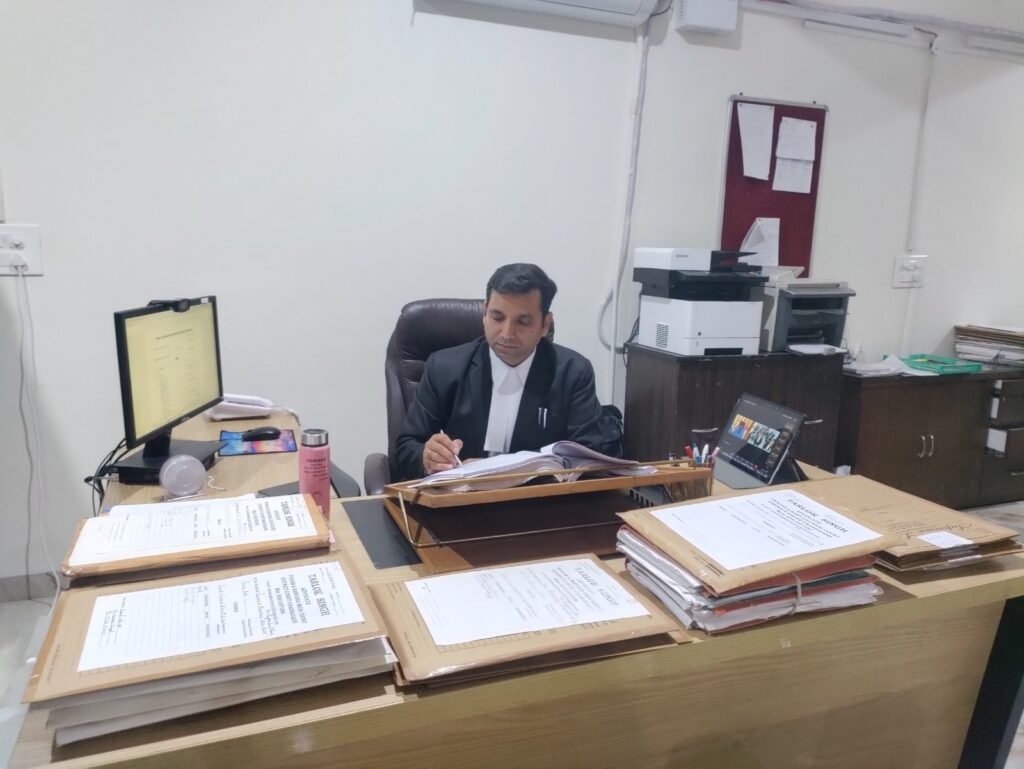
Advocate Tarlok Singh observes, “Effective legal representation begins with understanding the client’s concerns, examining the facts carefully and developing a legal strategy suited to the circumstances of the case. A lawyer’s responsibility is not merely to appear before the court, but to ensure that the client’s lawful interests are presented with clarity, preparation and diligence.” This approach underlines why legal advice cannot ordinarily be reduced to a standard formula applicable to every dispute. Two matters may appear similar at first glance but can require entirely different remedies because of differences in documents, facts, jurisdiction, limitation or applicable statutory provisions. An advocate may therefore need to examine the complete factual background, scrutinise supporting material, identify relevant legislation and consider judicial precedents before advising the client on the appropriate course. Depending upon the circumstances, the available route may involve negotiation, mediation, arbitration, civil litigation, criminal proceedings, an appeal or a constitutional remedy. Selecting the legally appropriate forum and remedy is consequently an important part of effective representation.
Gaurav Goel also highlights the importance of identifying legal risks before they mature into contentious proceedings. Preventive legal advice can be particularly valuable when individuals or businesses enter into contracts, undertake financial transactions or create arrangements involving significant rights and obligations. Clear drafting can define the responsibilities of the parties, reduce uncertainty and provide mechanisms for addressing future disagreements. Once litigation begins, however, the advocate’s responsibilities become broader and may include drafting and revising pleadings, compiling documentary and oral evidence, responding to applications, monitoring procedural developments, evaluating settlement opportunities and advancing arguments supported by law and evidence. Effective representation is therefore a continuing process rather than an isolated courtroom exercise. It requires the lawyer to remain attentive to both the legal position and the practical objectives of the client while ensuring that every step is supported by the available facts and applicable law.
Competent legal representation ultimately enables a person to approach a dispute with greater legal awareness and a clearer understanding of the options available. An advocate can assist in identifying the strengths and weaknesses of a matter, explaining potential remedies, complying with procedural requirements and presenting the client’s lawful case before the appropriate forum. At the same time, effective representation depends upon the client providing complete and truthful information and making relevant documents available to counsel at the earliest opportunity. Seeking advice at an early stage may also allow legal risks to be addressed before they develop into prolonged disputes. For individuals who satisfy the applicable eligibility requirements, India’s legal-services framework additionally provides avenues for obtaining free legal aid, including legal representation. In a system where evidence, procedure, jurisdiction and limitation can significantly influence the progress of a case, competent legal assistance can help individuals and organisations pursue their legal rights and remedies in a more informed, organised and responsible manner.